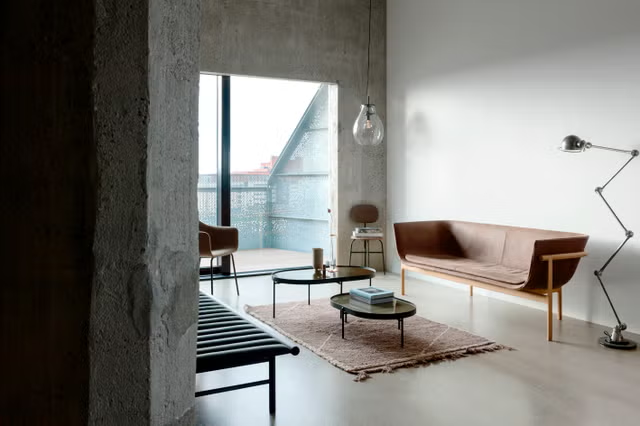
City life offers energy, culture, and convenience—but it also brings noise, clutter, and constant stimulation. Urban minimalism is a lifestyle approach that keeps what matters and removes what distracts, helping you live more intentionally in a dense, fast-moving environment.
Define Your Essentials
Minimalism begins with clarity. Identify the items, relationships, and routines that genuinely add value. For possessions, ask: Does this item serve a purpose or bring joy? For commitments, ask: Does this obligation align with my priorities? The answers guide what stays and what goes.
Design Small Spaces for Big Impact
In apartments, every square foot counts. Use multifunctional furniture, vertical storage, and curated décor to create breathing room. Keep surfaces clear and choose a limited color palette to visually expand the space. A tidy environment reduces cognitive load and makes it easier to relax at home.
Curate Your Social Calendar
Minimalism isn’t isolation. It’s selective presence. Prioritize gatherings that energize you and politely decline those that drain you. Quality over quantity in social life leads to deeper connections and less social exhaustion.
Digital Declutter
Urban living often means constant notifications. Audit your apps, mute nonessential alerts, and schedule focused blocks for email and social media. Consider a weekly digital Sabbath—24 hours without screens—to reset attention and reconnect with the physical world.
Slow Consumption
Cities tempt impulse purchases. Adopt a pause rule: wait 48 hours before buying nonessential items. This reduces clutter and helps you spend on experiences—meals, concerts, travel—that create lasting memories.
Create Rituals That Ground You
Rituals anchor you amid urban chaos. A morning walk through a nearby park, a weekly coffee at the same café, or a monthly museum visit builds continuity and a sense of belonging in the city.
Sustainability and Community
Minimalism pairs well with sustainable choices: repair over replace, borrow instead of buy, and support local businesses. Engaging with community initiatives—neighborhood cleanups, co-op markets—deepens roots and reduces the environmental footprint of city living.
Takeaway: Urban minimalism is not about deprivation; it’s about intentional abundance—more time, more clarity, and more meaningful experiences in the places you love.
Leave a Reply